
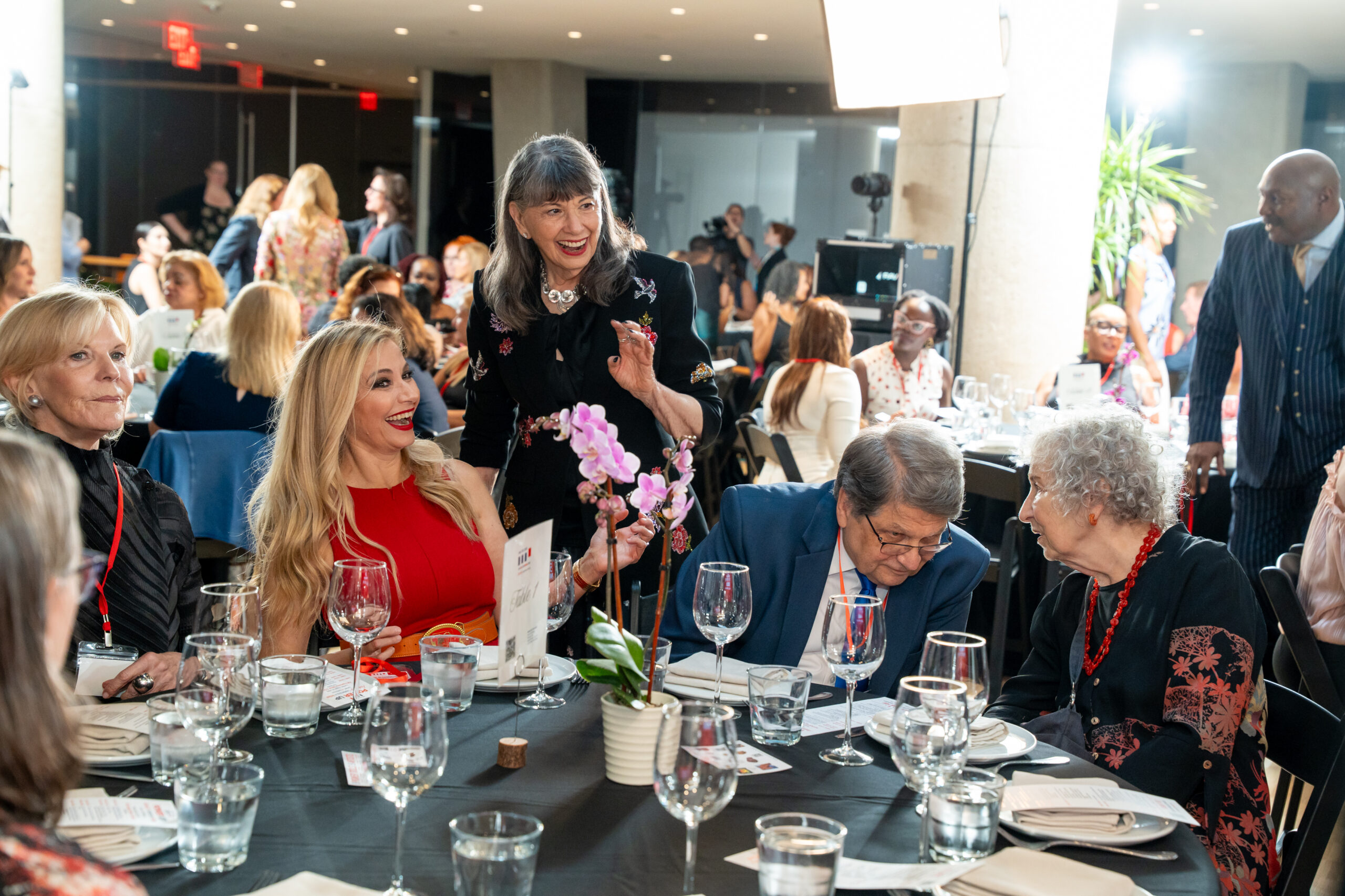
 From opening night to conference closing, the mood was audacious and celebratory on Women’s Equality Day at Take The Lead’s Power Up Concert and Conference in Washington, DC. Shrugging off the limitations of inequality and denial of diversity, the women and men participating expressed where they found power and hope, and ways we could all blaze new trails for an equitable future.
Betty musician, Allyson Palmer introduced “The Power of Arts to Change the World” panel, saying, “A basic human instinct is creativity. You can challenge perceptions and use that boldness for changing the world.” Concert pianist and composer, Marina Arsenijević shared her perspective of creating bridges through music to fight ethnic extremism. Founder of Vote for Your Daughter, Maggie O’Neil said, “We are always told we are not enough. In your creative practice, you have to stop saying I am not good enough.” She added, “The world needs whatever story you have to tell.” The stories that followed throughout the conference were rich with new ideas, expansive thought, and anchored in audacity as a way of embracing your power.
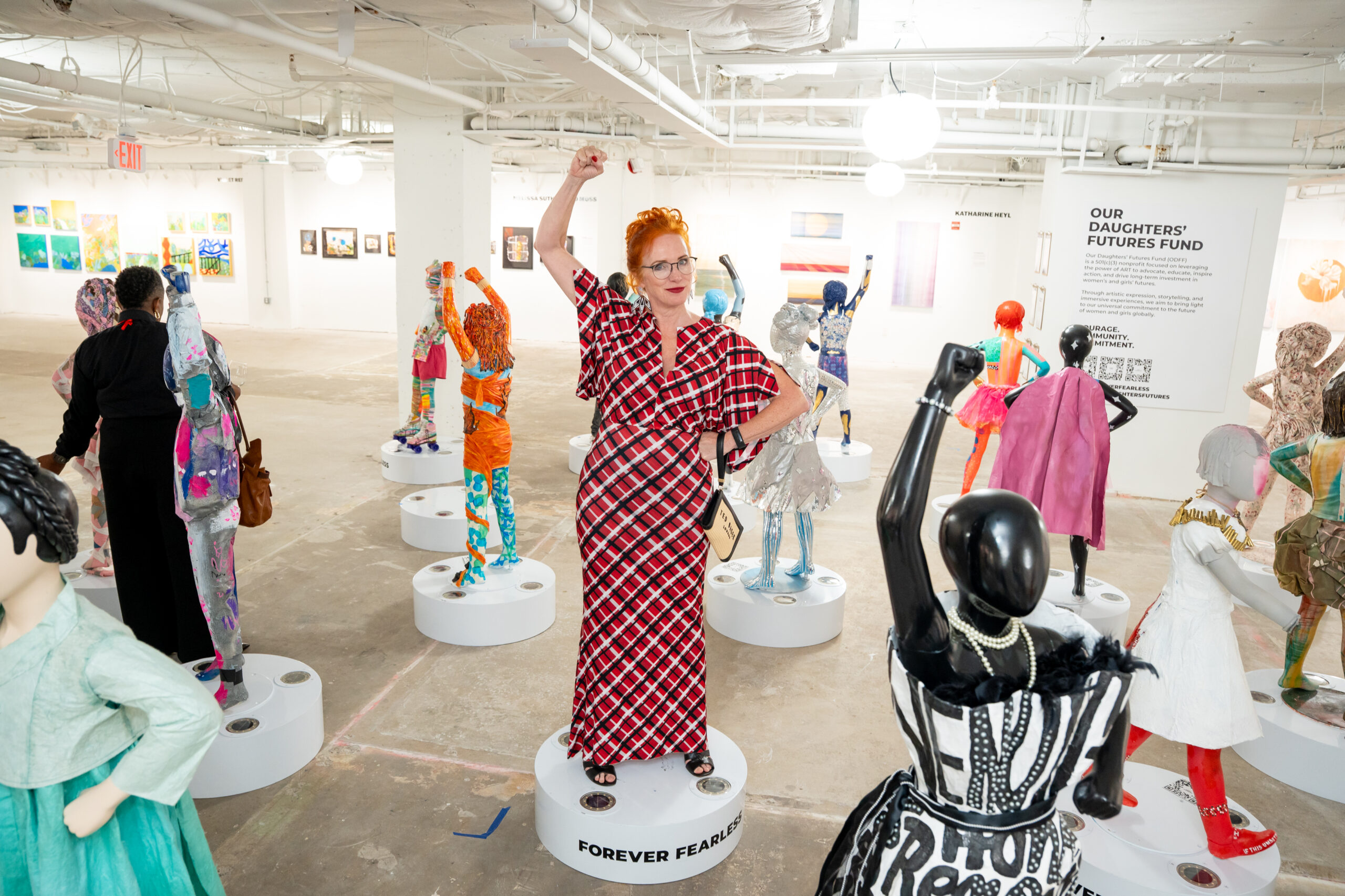
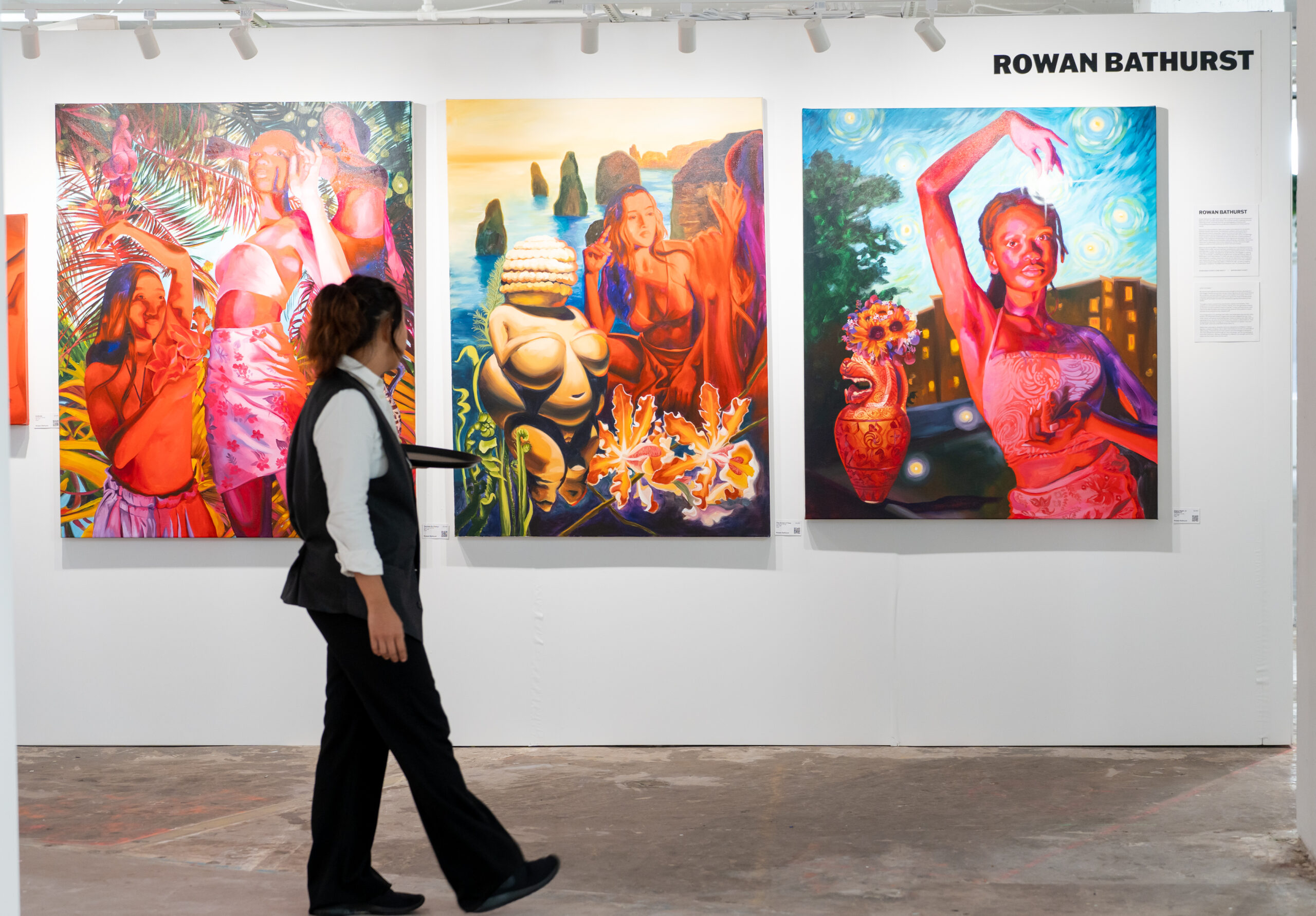 In addition to dinner for 150 guests, the preview included advanced viewing of the FEMME Art Fair, exhibiting the art created by 120 artists, nine of which were dedicated to supporting Take The Lead foundation. Maggie O’Neill, co-founder of FEMME, called the fair a “market-correction” because unlike most other art fairs, the artists received 100% of their sales, and unlike other galleries and fairs, it featured the work of women artists.
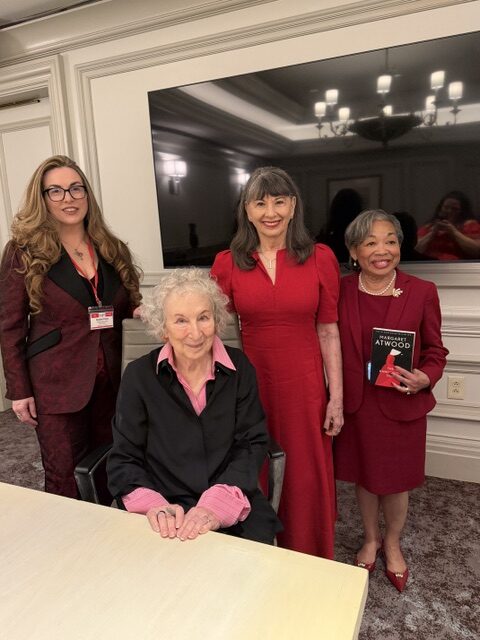
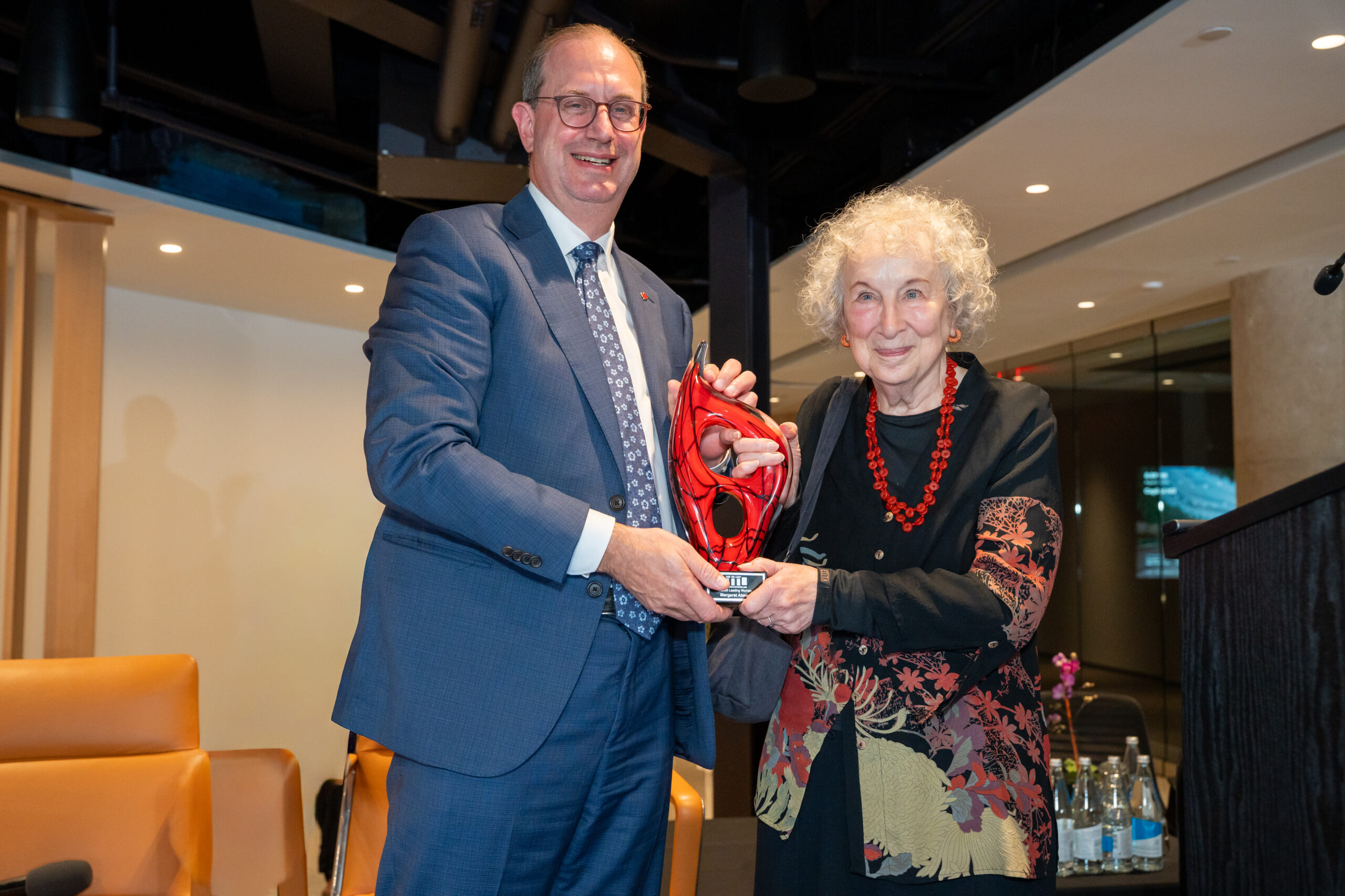 Margaret Atwood, literary icon and conference keynote, was the opening night special guest, receiving the Leading Woman Award, presented by Mark D. Wiseman, Ambassador of Canada to the United States, who said, “No one is more audacious than Margaret Atwood. My country has benefited greatly from her.”
The following day Atwood sat down with Take The Lead Co-founder, Gloria Feldt, to share her story, perspectives on women, culture, dystopias in her novels, and utopias (if they are truly possible). Atwood plainly said the obvious, “There would be no human race without women.” Women are the core of humanity and while that gives us great power, we have to control it. Other perspectives included: Mothers have great power; worship of Mary is worshipping the perfect mother; women aren’t perfect—we’re human; in a repressive society, women will protect the younger girls, so they don’t get harmed; some women are protective; other women are jealous and see them as competition.
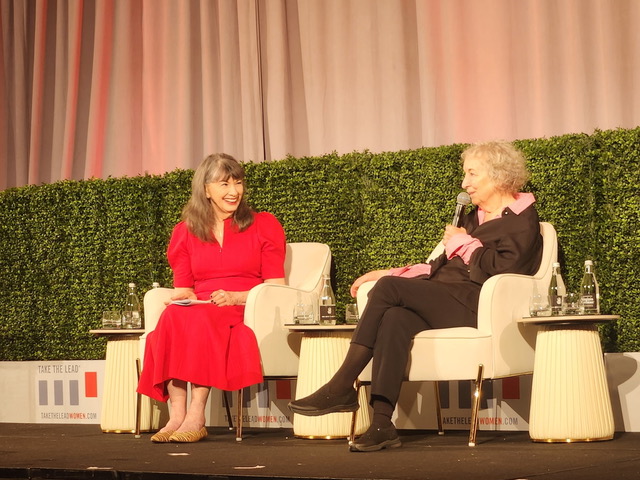 When asked about the response to The Handmaid’s Tale when published in 1985, Atwood divided it into areas of the world: in Europe, they saw the U.S. as a beacon of light; England had already restricted women in the 17th century and learned its lesson; Canadians were anxious and wondered if it could happen here; half of the U.S. didn’t think it could happen and the other half wondered, “How long have we got?”
Comparing the world in The Handmaid’s Tale to our real history, Atwood traced an overview of U.S. history, remarking that the Pilgrims were not democratic. Hierarchy has always been our societal structure. More recently, she observed how 1969 through the 70’s were a time of civil rights protests, and when women got their own credit cards and bank accounts. President Reagan dismantled the social contract in the 80’s and the religious right began to emerge. So, when she imagined if the U.S. were to have totalitarianism, she wondered what kind would it be?
Delving more into the design of Gilead, Atwood said, “The people running Gilead are not Christians. They have refashioned Christianity.” She noted that women weren’t allowed to read. If they could read, they might read the Bible. However, she did not think such a rigid totalitarian system could happen in the U.S., saying that it was easier to get Germans to march in lockstep. The United States was too diverse to be able to control that easily.
There was much more conversation about utopias being difficult because they had to be sustainable and those trying to form them weren’t concerned about how to put food on the table, what they would wear or who would sweep the floor. She simply defined revolution as one set of ideas replacing another set of ideas and she had personally experienced both Iran and Afghanistan before writing The Handmaid’s Tale. “Humans cannot make a perfect world because of human nature.”
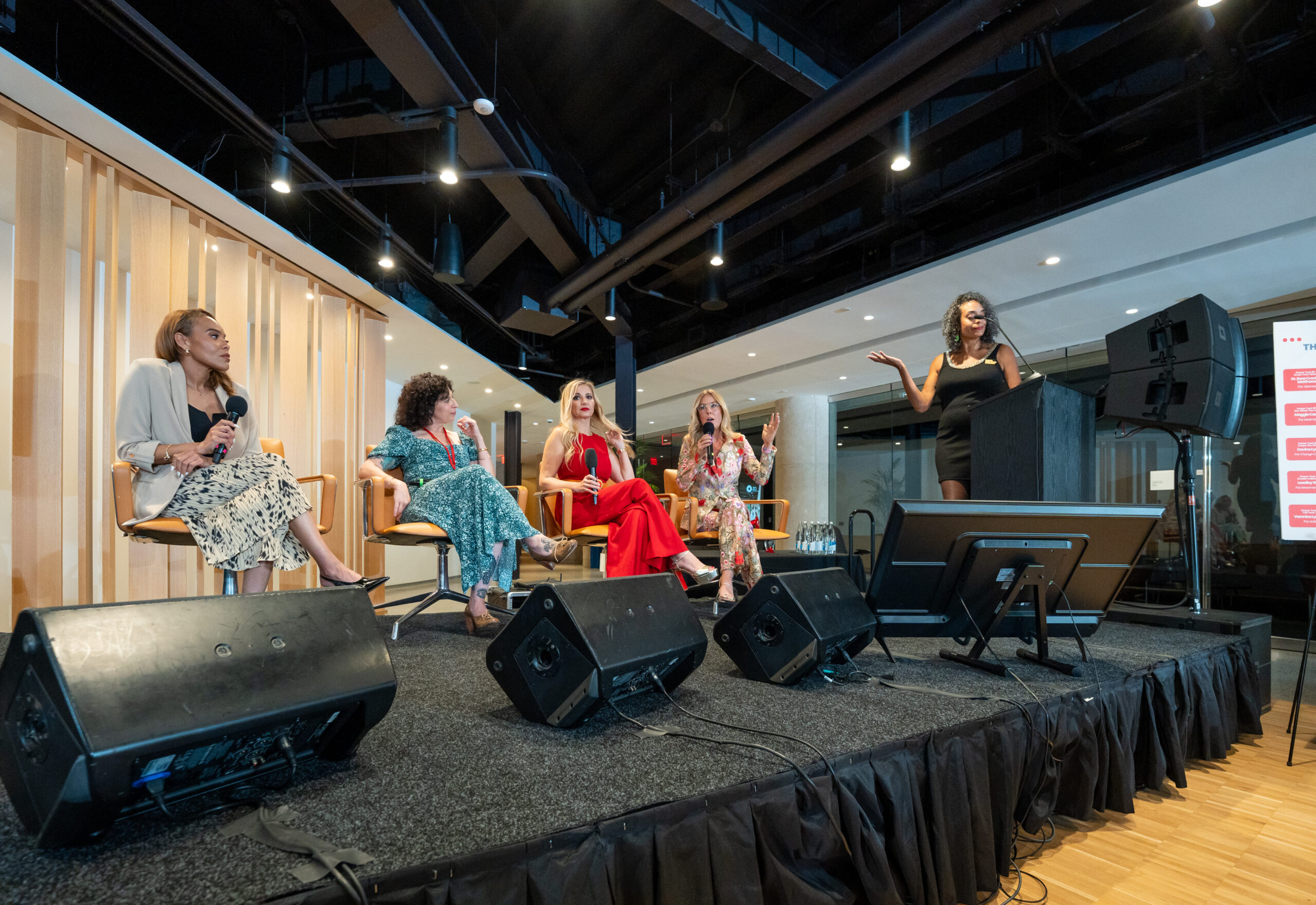 Although Atwood was the feature and highlight of the conference, a powerhouse of speakers, equity advocates, and masterminds of a dozen or more disciplines shared the wisdom of their expertise. Gloria Feldt’s “Nine Power Tools” spotlighted the work of the Power Tool Champions, who received awards for successfully plying their specific tool. Feldt delivered a signature speech sharing the story of her humble beginnings as a teen mom, then teacher, to warn us “To Stop Hiding Your Power To.”
Feldt was inspired to write this speech when she asked a particularly consequential woman what word she thought of when she thought of power. The woman said, “Hide.” When her power wasn’t welcome in the room, she hid it away, finding ways to bring ideas forward without exercising power:
We hide power inside endless preparation. One more credential. One more year of experience before we declare ourselves ready.
 We do the work without claiming the authority that should accompany it.
And then we wonder why the world behaves as though we aren’t powerful.
I finally figured it out: the problem is we have the wrong definition.
The narrative of history has been oppressive “power over.” War. Fighting.
The belief that Power is a finite resource that has to be taken from someone before it can belong to us.
Finally, she gave us one take-away reminder. “Power unused is power useless.”
 More than anything, audacity is about embracing your power. Take credit for what you know and who you are. As another speaker noted, “You are the only you there is. Whoever hired you for the job, hired you, and no one else. That’s the core of everything. Step into your audacity, step into your power. Don’t keep it a secret. Own it and use it to lead.
Stay tuned for more from Take The Lead’s website as highlights from the Power Up 2026: Leadership in Action Conference become available.