
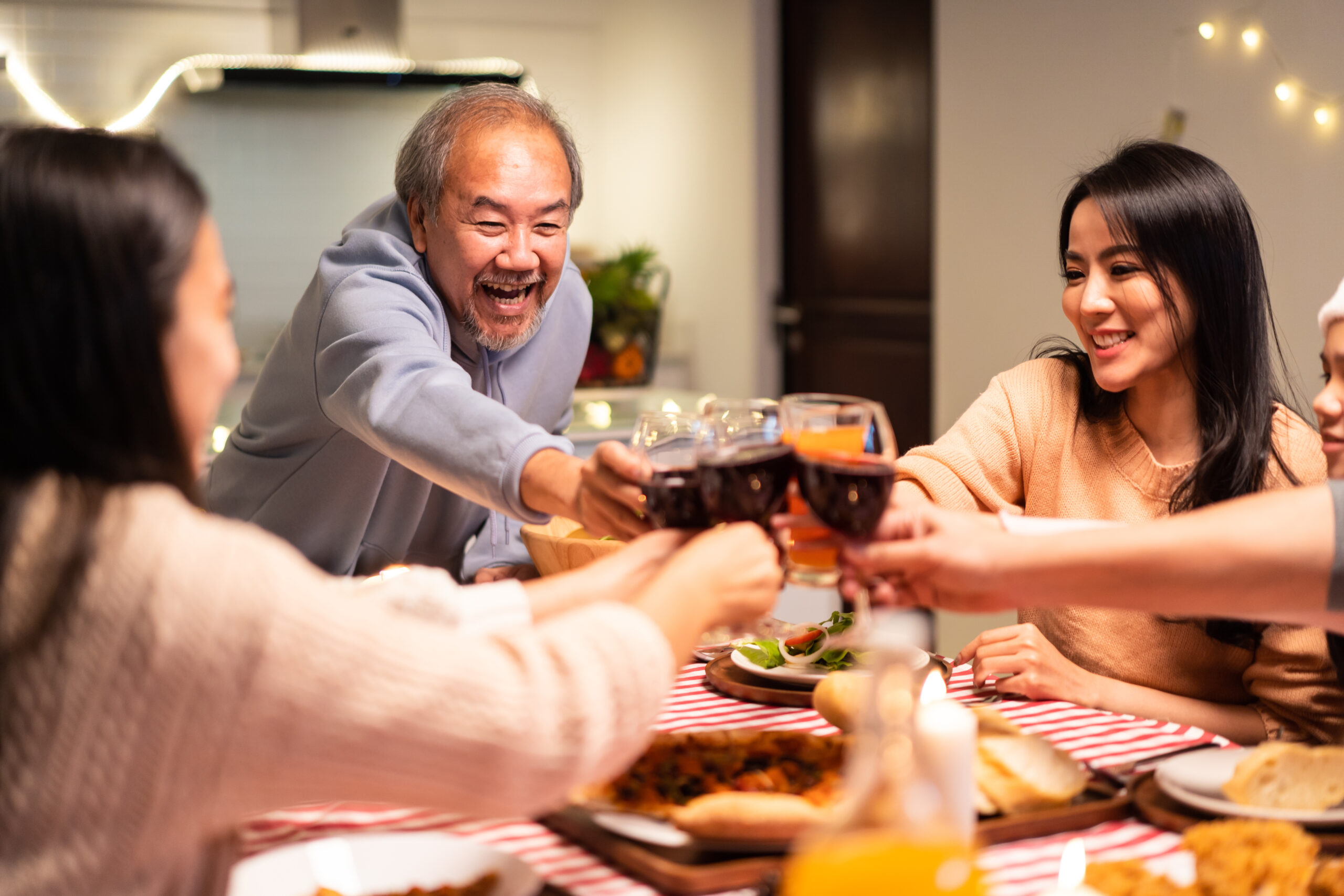
“We all have cultures of giving,” wrote Hali Lee, in her Guest Op-Ed for WNET, PBS Wisconsin. In Korean culture, she said they call it “geh,” a shared community saving circle where members contribute money into a common pool, and people take turns taking home the money to support their families or to start small businesses. Lee said they are common to people of color. “Like my Mexican American friends call them tandas. You might know some West Indian folks or West African people who call them susu or esusu. Indonesian girlfriends call them arisan. These cultural forms of…collective care precede the modern practice of philanthropy,” Lee explained to Denver Frederick, in his The Business of Giving interview. These cultural practices of communities coming together to help others are born out of the need for survival.
Lee’s own family survived a hundred years of brutal colonialism and cultural erasure by Imperial Japan. They endured two horrific wars, and her grandfather was imprisoned for teaching the Korean language, which they were forbidden to speak. She wrote that she heard lots of stories about scarcity and surviving on very little, but she also heard stories of abundance and generosity. As a single mother, Lee’s grandmother found ways to send all six of her children to the U.S. through university and church scholarships, and sent many other Korean children who had lost their families. Once here, they brought their culture, their traditional foods, and even geh.
The Asian Women Giving Circle (AWGC) emerged out of a geh that Lee shared with her friends, wrote Ruby Veridiano for NBC News. While fundraising for Korean American survivors of domestic violence, Lee discovered American-style philanthropists weren’t open to discussing the topic or giving to this subgroup. Lee already shared a geh circle with her close friends and decided to use it for philanthropic initiatives she hoped would be game-changing, and the Asian Women Giving Circle (AWGC) was officially born. “In our seventeen years of raising money and giving it away, we’ve distributed close to $1.5M to over 80 amazing projects…all led by Asian American women and gender expansive folks who use the tools of arts and culture to make their communities more free, fair, and just,” Lee wrote in her Op-Ed.
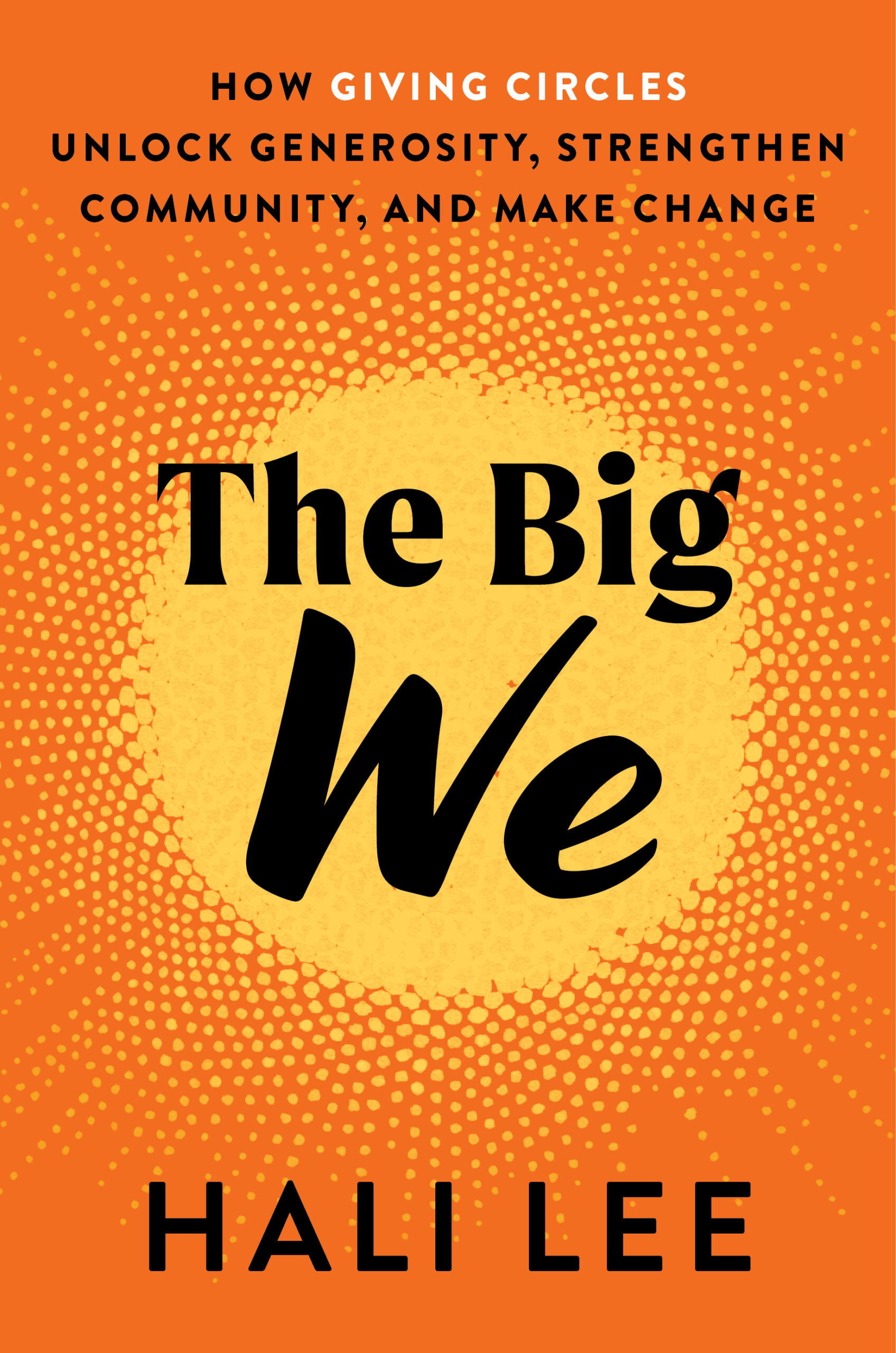 Results that are “free, fair, and just” are the purpose of collective, community-based giving circles. In her book, The Big We, Lee criticizes a character she nicknamed “Big Phil,” the billionaire, rich guy who knows philanthropy best, and she calls for him to retire. During her Smart Amazing Conversations with Dr. Nancy podcast appearance, Lee described the “Big Phil’s” on the dais during the 2025 Presidential Inauguration, saying, “Bezos, Zuckerberg, and Musk…own and control as much wealth as 50% of Americans…that’s 170 million American people. That is not fair.” On the bright side, she predicts that collective giving will supplant the big donor.
Lee cites a recent study that found, “in the last six years, tens of thousands of Americans have joined thousands of giving circles and mutual aid groups and collective giving vehicles to move billions of dollars,” she told Dr. Nancy. “And it’s on track…to double again in the next five years in terms of people engaged and dollars moved.” She goes on to point out that large billionaire donors are not democratic and do not know or serve the needs of the people. She wrote her book to show people how their participation can take back “the community care, love, mutual respect, and mutual aid. And how we can bring those traditions, cultures, and values back, in order to animate, invigorate, and democratize the way we practice community, care, love, philanthropy today, and giving circles…is one way all of us non-billionaire people can come together and be more powerful than the sum of our individual parts.”
Lee reminds us that people power is how we became a country. People fought against a single man who ruled from afar without consideration of the needs of the settlers in the Americas. And it wasn’t a single powerful man that made our amazing country. Ordinary people know best what ordinary people face every day, and they become “The Big We.” In her Denver interview, Lee talked about the other benefits of giving circles: They give people “efficacy” to achieve a result they want, which is especially important during a time when people feel their situation and country are spinning out of control. Lee said, “I think philanthropy is a microcosm of the larger dilemma that confronts all of us right here, right now, today. And I think it’s really important that we remember that it is people power; it is civically engaged citizens. Like our system only works when its citizens, which is you and me, and you and you and you and you and you all around us know enough to get engaged, know enough to get educated, get engaged, and link arms with our sisters and brothers and fellow and sister travelers, in order to make our communities more free of trash or whatever the thing is. Like start there.”
If you’re one of those people who don’t know what to do, who see a wrong you’d like to make right, look around. It’s possible there are people who feel like you. Gather together, make a plan, and make a difference. Giving circles are based on trust, caring, and follow through. Check out the Asian American Giving Circle to find out what’s possible. Then do what Lee suggests in The Big We, gather around your kitchen table (or someone’s kitchen table), and put a leaf in the table to include people who might not agree completely with your viewpoint, and listen to one another, trust each other. Our strength is in inclusion and working together. Read Lee’s book, The Big We for more ideas about how “we” really can change the world.