

Women lead in very different ways—from one another, and from most men. There’s even a “whoa” hiding in our language: the wo that precedes man in the word woman has long functioned as a signal to pause, hesitate, or stop. But many women refuse to hear it, pressing forward to accomplish their purpose, whatever that may be. In her book, We the Women: The Hidden Heroes Who Shaped America, Norah O’Donnell notes that only 11 percent of Fortune 500 companies are led by women—a record high, yes, but still far short of where it should be, given the measurable impact women’s leadership has on profitability and sustainability.
O’Donnell shares the story of Karen Lynch, former CEO of CVS Health, who was once told—by a male colleague—that women should sit in the back of the room because all they did was take up space. That led Lynch to title her memoir Taking Up Space and wear a t-shirt labeling her as “taking up space” while CEO of CVS. However, it was her impact that made her a great leader and the highest-ranking female on the Fortune 500 list, “overhauling drug pricing business model to decrease costs borne by consumers,” and overseeing CVS Health’s administration of “the COVID-19 vaccine in more than 40,000 long-term care facilities and in CVS Pharmacy locations in 50 states, Puerto Rico and Washington, D.C.” Lynch told O’Donnell, “Never let others dim your light. Take up space and invite others to join you.”
 Many women lead in just that way—connecting with and inviting as many other women leaders as possible to take up space. Dr. Nancy O’Reilly founded Women Connect4Good with one mission: women (and men) supporting women. She often says, “Anything is possible when we do it together.” And “it will take ALL of us, not some of us.” As evidence of that mission, Women Connect4Good’s impact has grown over the years by building a network of allies and partners working in the space of women’s equality—educating, amplifying voices, sharing stories, and helping women see the possibilities when they use their talents and step up to lead.
The most recent initiative is to empower the next generation of leaders with Connect4Impact, a young women’s leadership program. In her blog post, “From Learning to Leading: Celebrating the Culmination of Connect4Impact,” Claire Sakaoka, program coordinator, shares Dr. Nancy’s vision, which was founded on the belief that “when young women are given the right tools, support, and opportunities, they do not just imagine change—they create it.”
Open to women ages 16 to 20, participants meet online for interactive sessions that follow a structured curriculum designed to help them transform from budding changemakers to fully prepared Impact Leaders ready to take on the world and make a difference. “It teaches leadership as a practice—one rooted in courage, empathy, responsibility, and action.” With the first cohort graduating, applications are being accepted for the next class, which will begin in September. Sakaoka writes about the underrepresentation of women and how investing in women’s leadership early can help to close that gap. Check out the blog and the application for more information.
Insightful women lead by educating others. Gloria Feldt realized that women have a difficult relationship with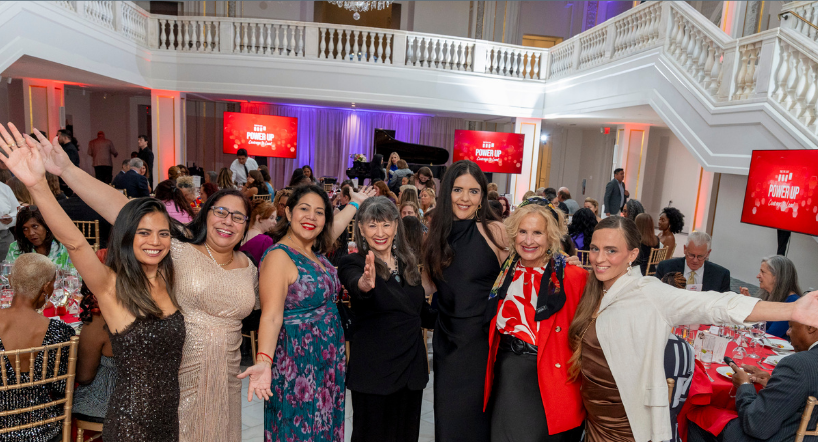 power that keeps them from taking charge. They think of power in terms of “power over” others, a concept few of them want to wield. When they are introduced to the concept of “the power to” achieve their goals, the equation changes, and they are eager to learn more. She wrote the book, No Excuses: Nine Ways Women Can Change How We Think about Power to educate women about the tools they have at their disposal to advance and lead.
Building on these concepts, Feldt then established “50 Women Can Change the World,” directed at individual industries, such as philanthropy/non-profits, entertainment, finance, and entrepreneurs. Each cohort was limited to 50 professional women, who were chosen by their peers to participate and possibly change the world. The combination of Feldt’s Power Tool curriculum and access to the 50 women network of other professionals expanded their influence to change their world by connecting with and referring others to open positions and opportunities, collaborating with one another—literally changing their business world. She continues to offer variations of the Power Tools curriculum through her foundation, Take The Lead Women, which is focused on strategies to promote women’s equity across the board. Feldt’s annual PowerUp Concert and Conference will take place August 25 and 26, Women’s Equality Day in Washington, DC.
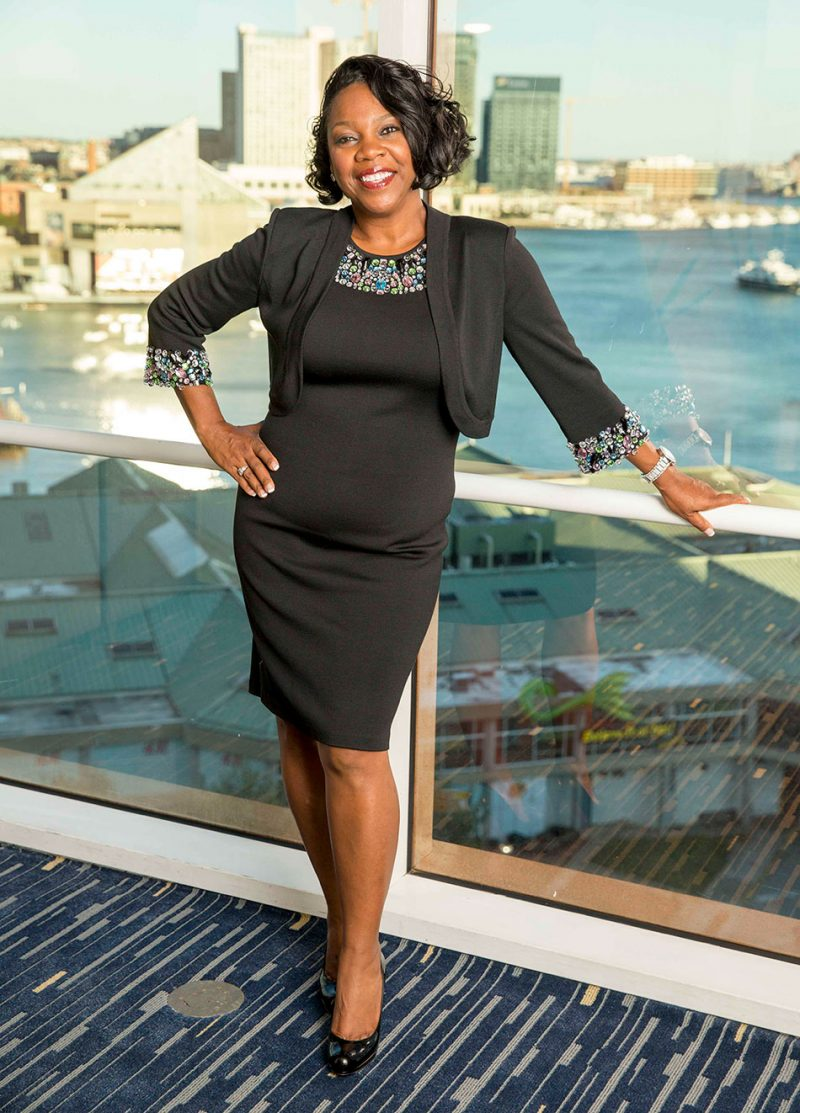 To help women see themselves as leaders, Dr. Sheila Robinson developed her National Business Leadership Conference to connect women CEOs with others to show them how to advance and lead. Now in its 21st year, this year’s theme, The New Rules of Leadership: Reimagine, Reach, Rise,” will take place on Sept. 17-18, 2026, at the Gaylord National Resort & Convention Center in National Harbor, Maryland. Recently rebranded from Diversity Woman Media to Executive Woman Media, the organization’s mission has stayed the same: to elevate women to new heights, amplifying “the voices of trailblazing women and creating a space where innovation, perseverance, and leadership converge.”
Dr. Robinson told Dr. Nancy in an earlier podcast, “All women are leaders. They lead in their families and their communities. They just don’t see themselves as leaders. When you influence someone else’s behavior, you are a leader.” In her podcast, she urges women to acknowledge and “take advantage of this influence to reshape our community, our society, our country and our world.”
This is only a tiny example of the range of women leaders. When Lucina Di Meco, co-founder of #She Persisted, told Dr. Nancy on her podcast that the concept of women and leadership was a contradiction in terms from many people’s viewpoint, it was a challenge to change that perspective. As Dr. Nancy often says, “You have to see it, hear it, read about it to know that it’s possible to be it.”
Spotlighting exceptional women leaders helps people, especially young future women leaders, to see what is possible when women step up to lead. More women in leadership are good for our economy, help our businesses be more profitable, and elevate all women to positions where they can thrive, contribute, and build a better world.