

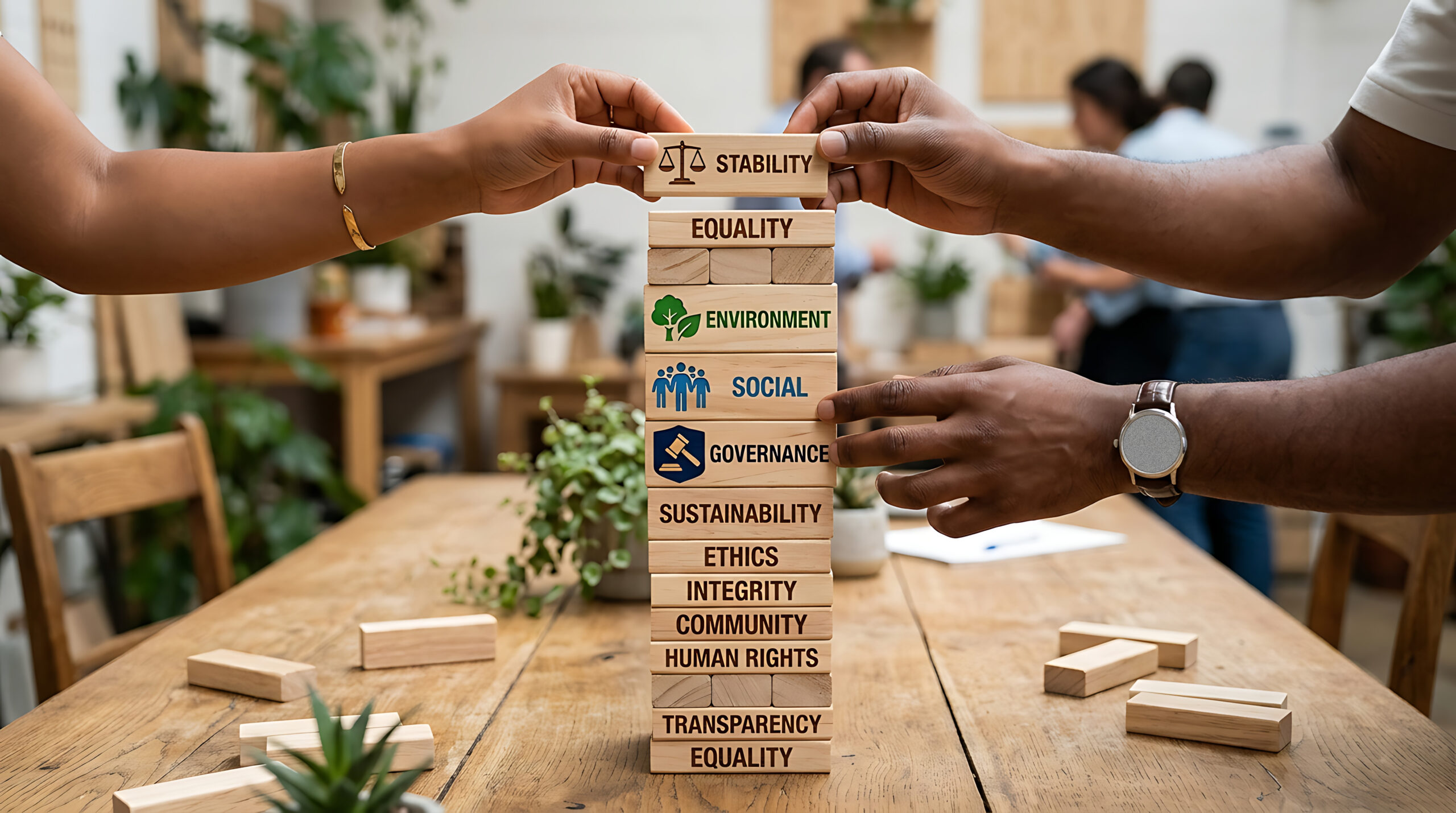
 Many Americans felt a powerful surge of hope on November 3, 2026, as record numbers of voters spoke loud and clear about the representation they wanted in the Senate, the House of Representatives, governorships, and state and local offices across the country. Newly elected Senator James Talarico may have said it best in his acceptance speech, “We just showed that a politics of division is no match for a politics of love… Power belongs to the people.”
The newly elected leaders represent the greatest diversity ever seen in American politics. Voters nationwide made their voices heard with purpose and conviction. As New York Times editor Aaron Retica highlighted on The Ezra Klein Show, the historic array of diverse candidates, “didn’t run on it, but they won with it.” Retica pointed out how candidates connected deeply with their communities, proving that representation and authentic leadership resonate across party lines.
Women’s leadership took center stage. “50 of 66 ERA Coalition’s Elect Equality–certified candidates won their races, with four races still too close to call,” noted Zakiya Thomas, President and CEO of ERA Coalition and ERA Coalition Forward. She emphasized that this milestone is only the beginning of our push to get the Equal Rights Amendment certified in the Constitution.
This election brought several historic firsts. The Center for American Women in Politics (CAWP) published a comprehensive list of 2027 officeholders, including:
- At least 159 women in Congress (surpassing the previous record of 152 in 2024)
- At least 136 women in the U.S. House (up from 127 in 2024)
- At least 17 women serving as governors (breaking the previous high of 14)
- At least 107 women in state executive offices (currently 98 serve)
- Keisha Lance Bottoms (D-GA) will be the first Black American woman elected governor in U.S. history
- Deb Haaland (D-NM) will be the first Native American woman elected governor in U.S. history
- Gina Hinojosa (D-TX) becomes Texas’s first Latina governor
- Peggy Flanagan (D-MN) becomes the first Native American woman to serve in the U.S. Senate
Frédérique Irwin, President and CEO of the National Women’s History Museum, said in the Museum’s newsletter, “These women’s election victories are a powerful reminder that it is up to us to rightfully memorialize this moment as fully incorporated into the American story. When we teach and learn about women’s contributions, struggles, and triumphs, we illuminate the pathways they’ve carved throughout history and empower future generations to see new possibilities for their own lives.” She called closing the gender parity gap an investment in our collective future and said she hopes young girls can see themselves leading our nation.
Millions of voters, organizers, and grassroots leaders are responsible for the outcome of this election—especially Black women across the South who turned out at historic 93% rates despite closed polling places, gerrymandered districts, systemic barriers, and voter suppression. More than one commentator called out Stacey Abrams and her tireless work in Georgia. In her podcast, Assembly Required, Abrams reminded viewers that we won only a battle, and much work remains, with two branches of government still competing for authoritarian rule. She said, “An election won is not a mandate; it is a mission.”
That mission was begun by the hardworking organizers who knocked on doors, listened to people voice their concerns, guided candidate selection and campaigns to meet those concerns, and the talented candidates who answered the call to service of the people who need them to represent us, for a host of issues from out-of-control inflation to corruption, lack of health care, and more. Robert Reich, author and political commentator, called the election an “anti-establishment fury at a rigged system.”
Reich’s co-host on “Coffee Klatch,” Heather Kinlaw Lofthouse, said the chief issue was inequality, which has been brewing for decades. She continued, describing voters’ sense of being out of control and powerless. Reich listed the voters who spoke: Hispanics who spoke out against the police state, women who said abortion should be our decision, Black voters who refused to be ignored and denied rights. It was all about social justice, whether it was Epstein, ICE, or Data Centers.
All of the commentators agreed that it was a potential realignment for the country. However, they warned that the lobbyists in Washington would easily flip to the newly elected members, and real change had to happen through campaign finance reform and to get the money out of politics.
Potential is the word on many leaders’ lips. Gloria Feldt, CEO of Take The Lead, applauded the grassroots activism that propelled this election and thanked the President for “waking people up to the threats to their lives and liberties.” Feldt noted that it was easier to fight against something than to fight for it but fighting for something is how we make sustainable change. She said, “It’s up to us, their constituents, to hold them accountable.” And encouraged everyone to “Call to congratulate them now. Once in office, write or call them to tell them how you want them to vote on issues. Thank them afterward if they vote as you asked or let them know you’re not happy if they didn’t and ask them why.”
Democracy is not a spectator sport. It requires engagement, disagreement, dialogue, compromise, and meeting the challenges of today and tomorrow. This was a landmark election because “we the people” saw our rights and privileges threatened, and our neighbors suffering. Even though this election is largely called a vote for equality, women still are not protected in the Constitution. As we move forward, making the ERA a constitutional reality must remain our shared priority.
In the words of Dr. Nancy O’Reilly, “It’s important for all to remember where we have been, where we are, and where we are headed. It’s been an amazing journey, and we are just getting started.”